
10 September 2026
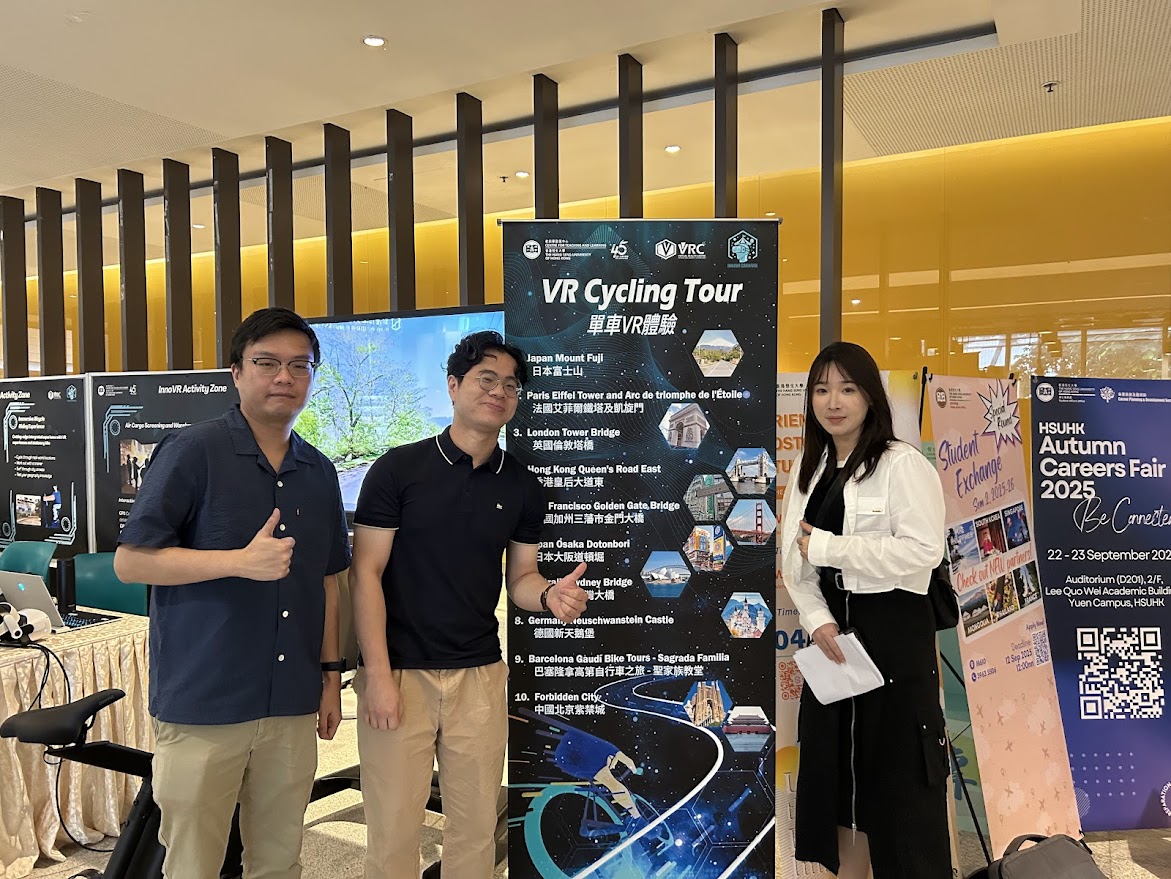
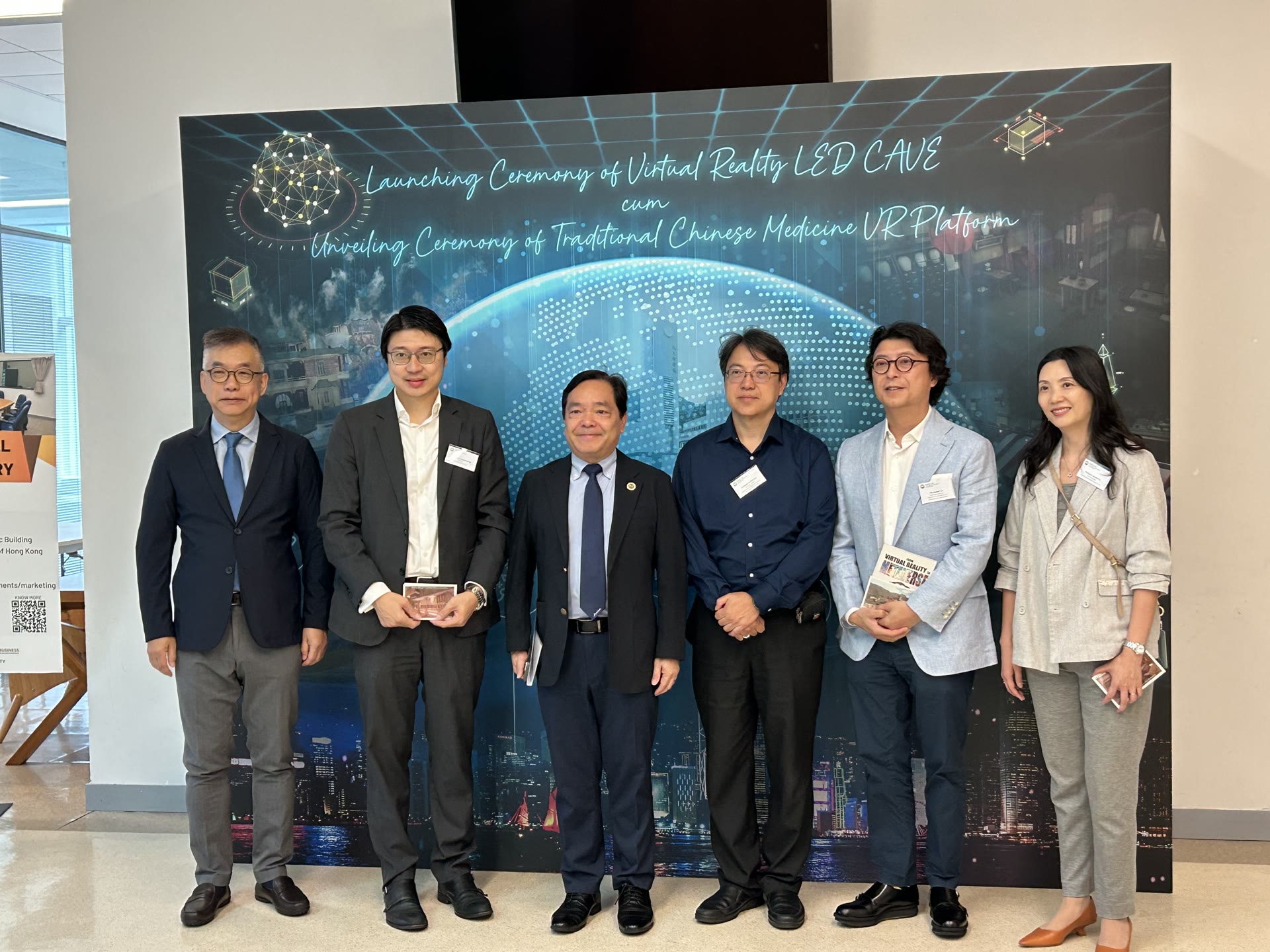
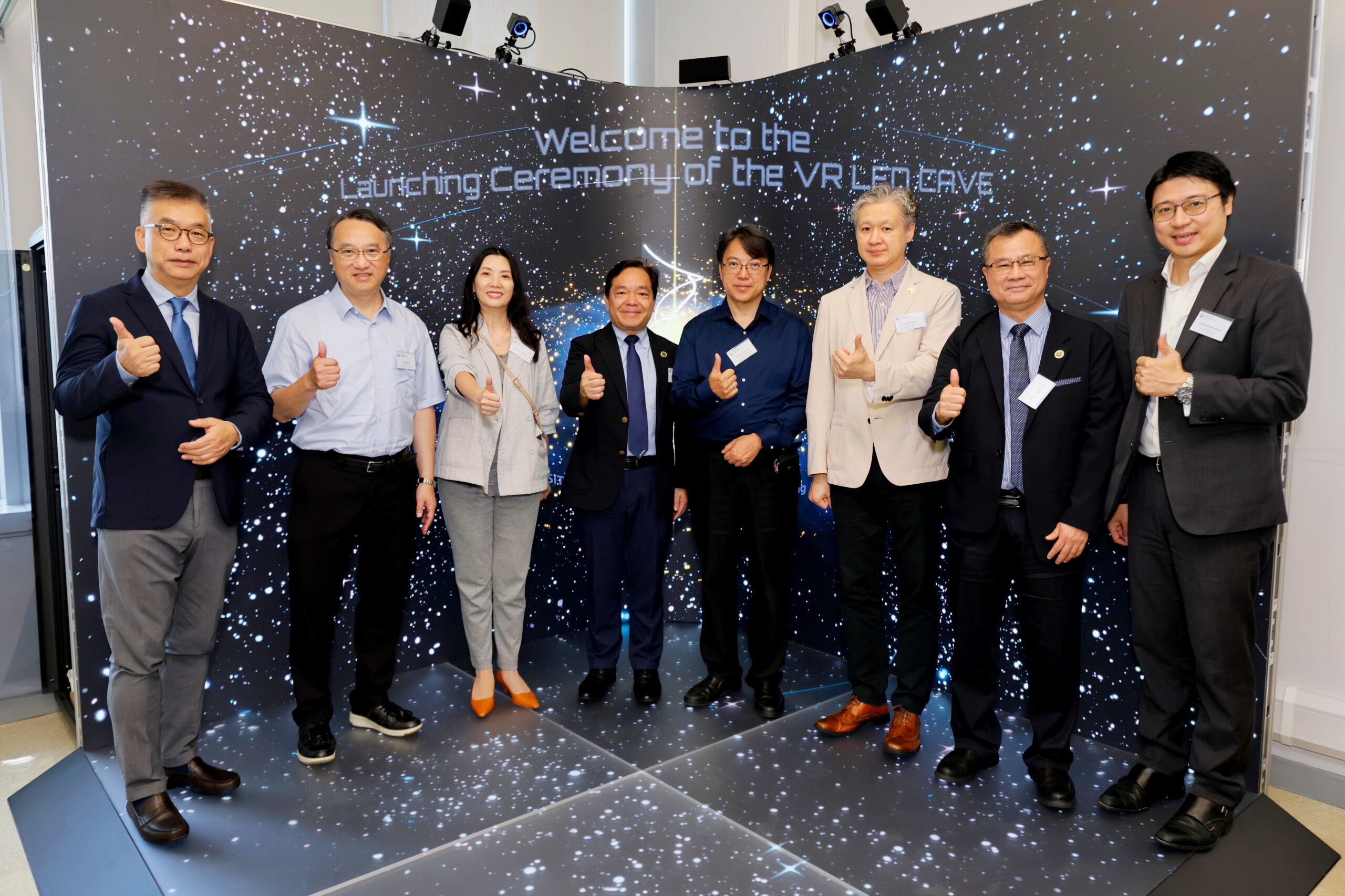
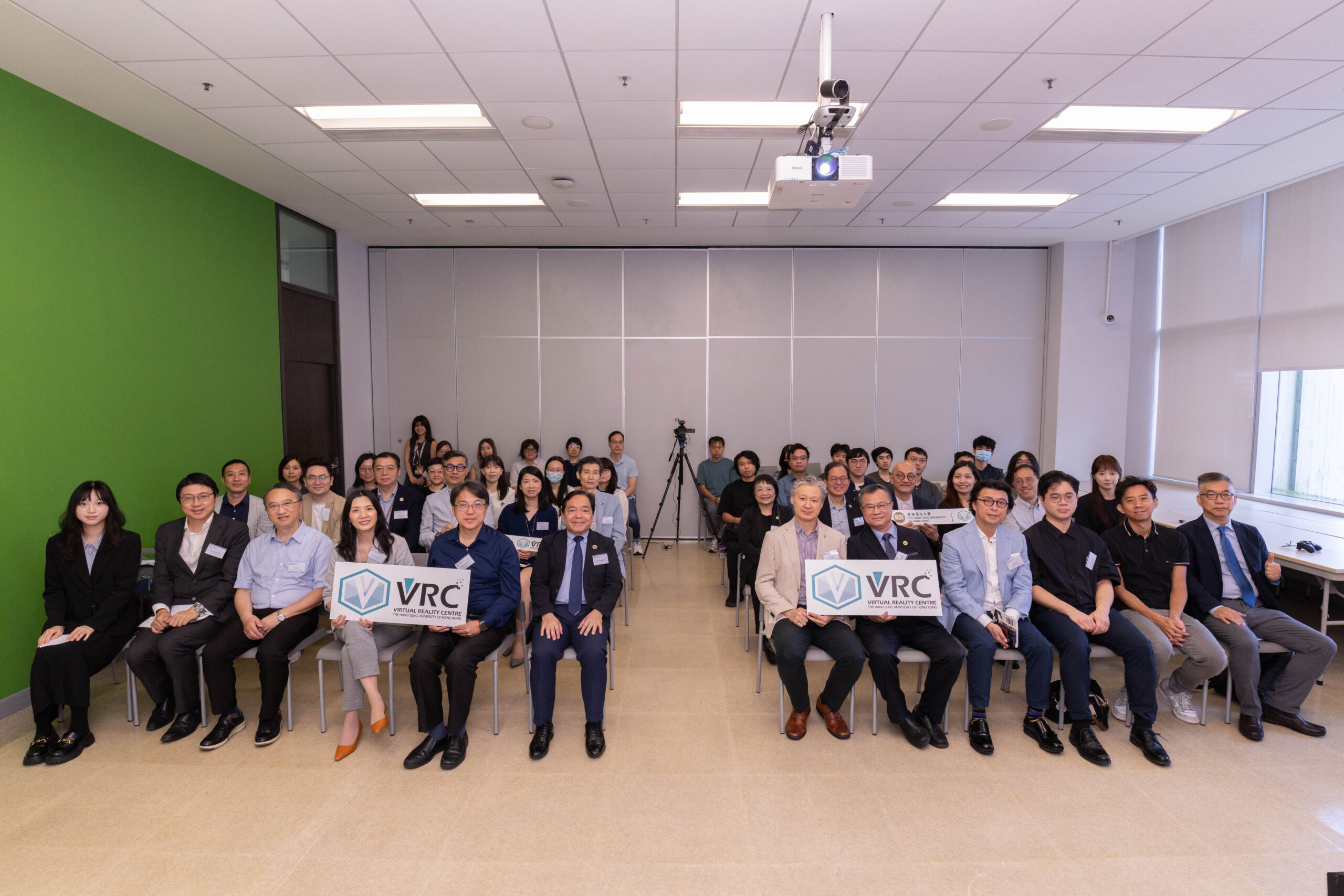
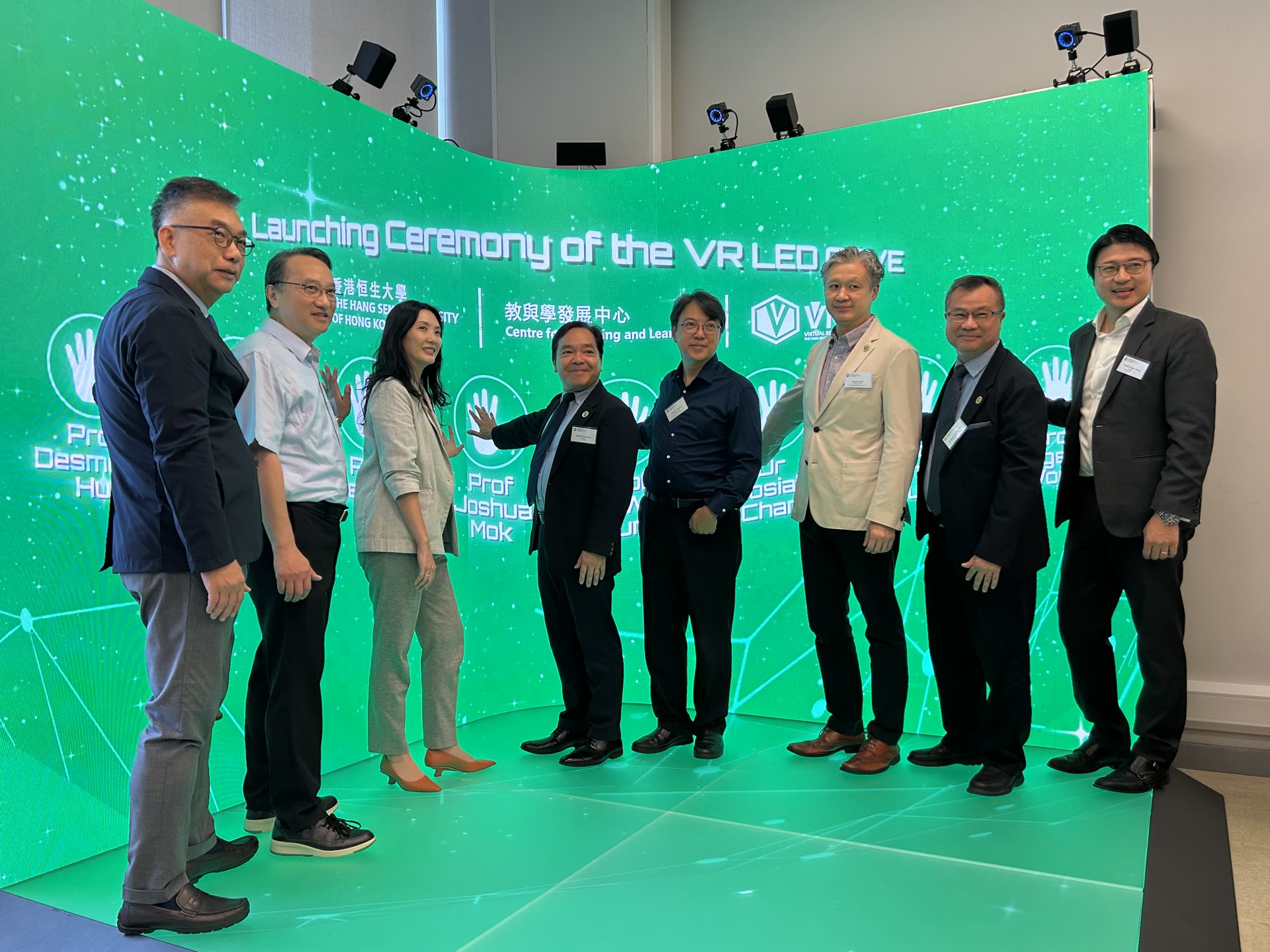
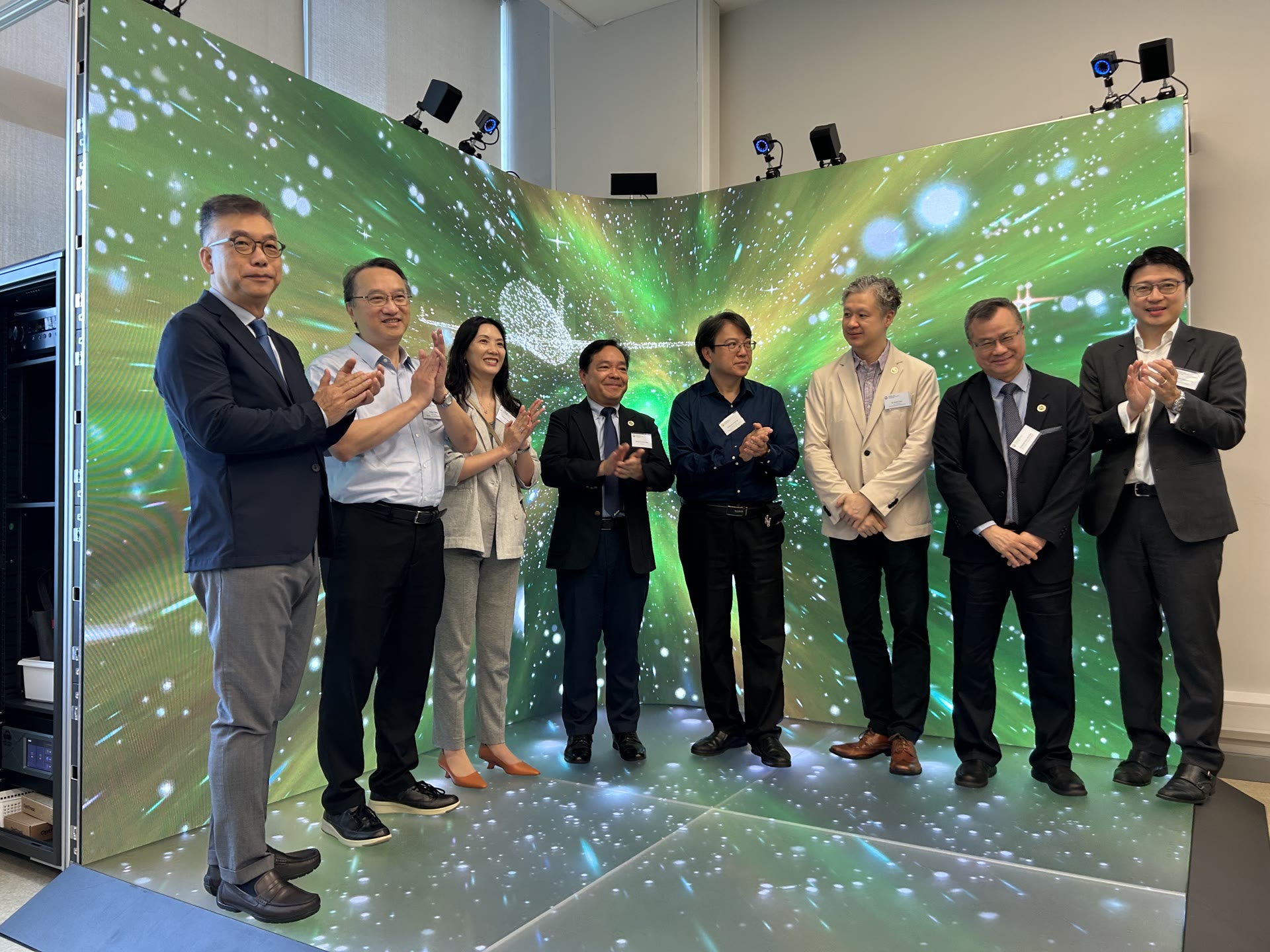
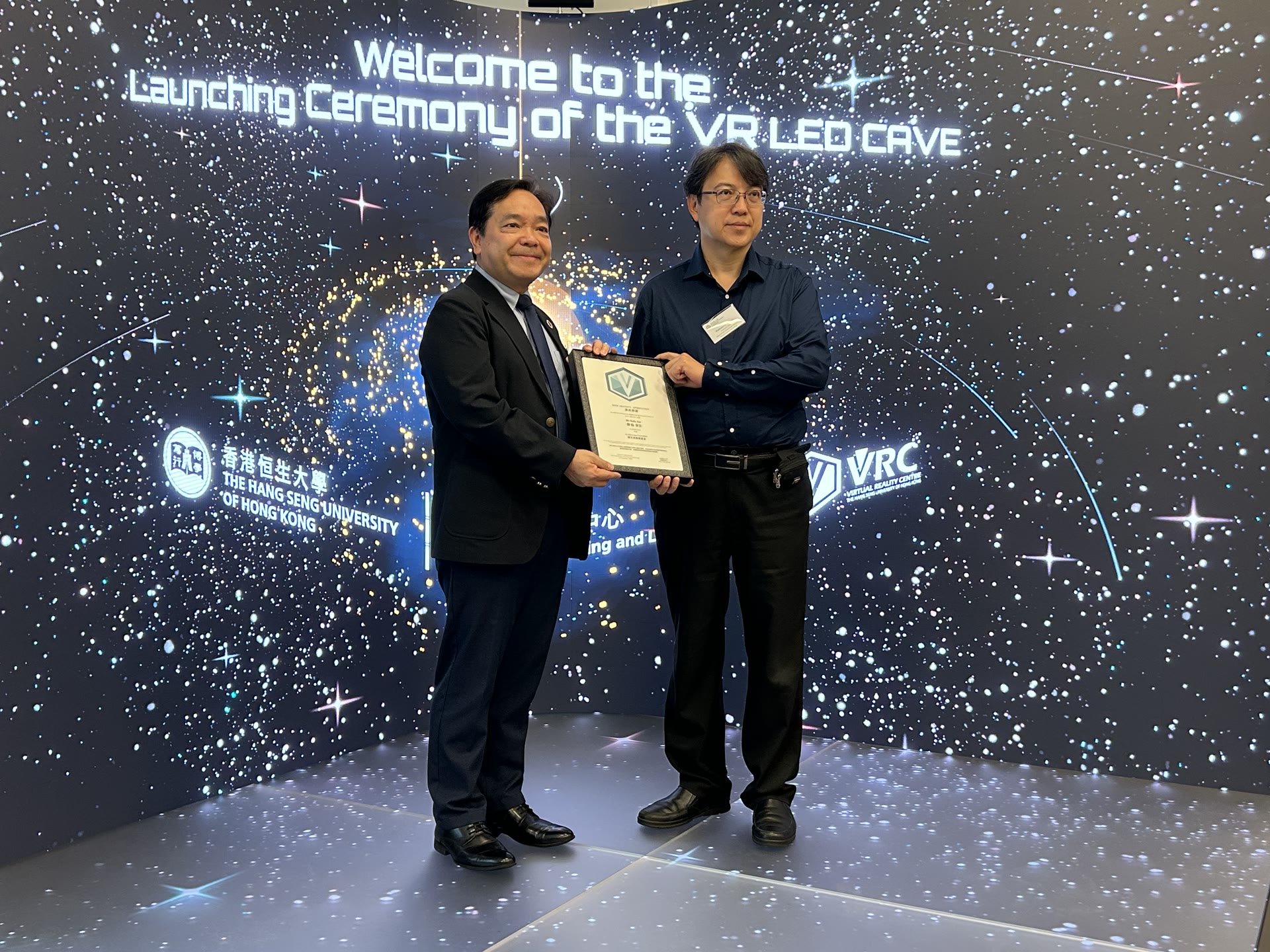
Prof. Wai Lun Lo, Head of the Department of Computer Science, Mr. Hubert Yiu Bong Un, Assistant Professor in the Department of Architecture, and Mr. Patrick Tung, System Engineer in the Department of Computer Science, attended the Launching Ceremony of the VR LED CAVE and the Unveiling Ceremony of the Traditional Chinese Medicine VR Platform at The Hang Seng University of Hong Kong (HSUHK).
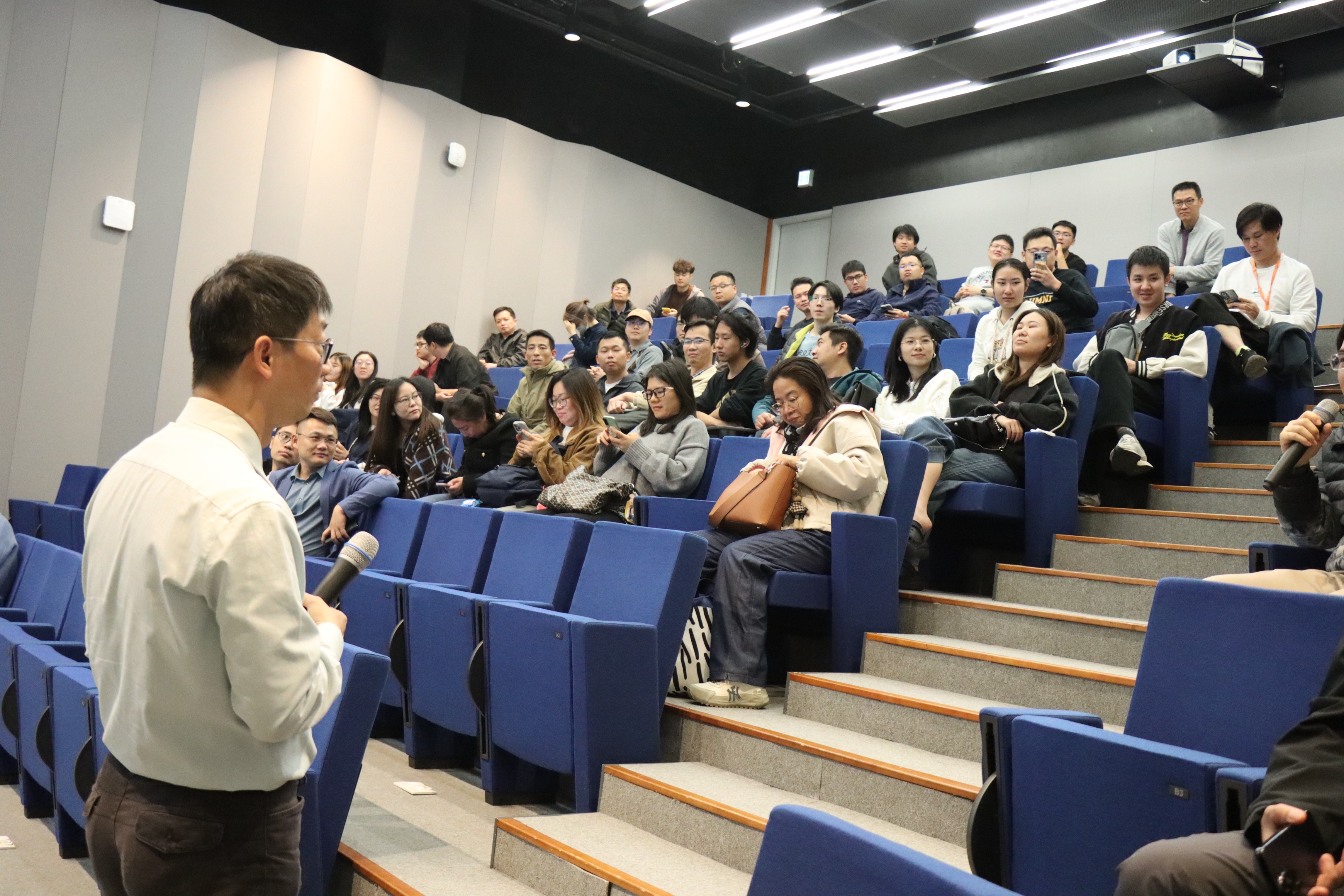
Organised by the HSUHK Virtual Reality Centre under the Centre for Teaching and Learning, the ceremony was held at the S H Ho Academic Building. Prof. Joshua Mok, President of HSUHK, and Prof. Jeanne Fu, Vice-President (Learning and Student Experience), opened the ceremony. Ir Prof. Eugene Wong, Director of the Virtual Reality Centre, then presented HSUHK’s vision for advancing immersive technologies through the new facility. The system combines high-resolution LED displays, stereoscopic 3D visualisation, motion tracking and multi-user support, creating opportunities for immersive teaching, presentations and cross-institutional multi-CAVE collaboration. Prof. Mok, who is also Principal Investigator of the Sin Wai Kin Chinese Culture Promotion Scheme – Traditional Chinese Medicine in VR Project, explained how the platform connects VR technology with traditional Chinese cultural heritage. It provides a virtual Chinese medicine cabinet, clinic and herbal-learning environment, with problem-based activities covering herbal selection, preparation and application.
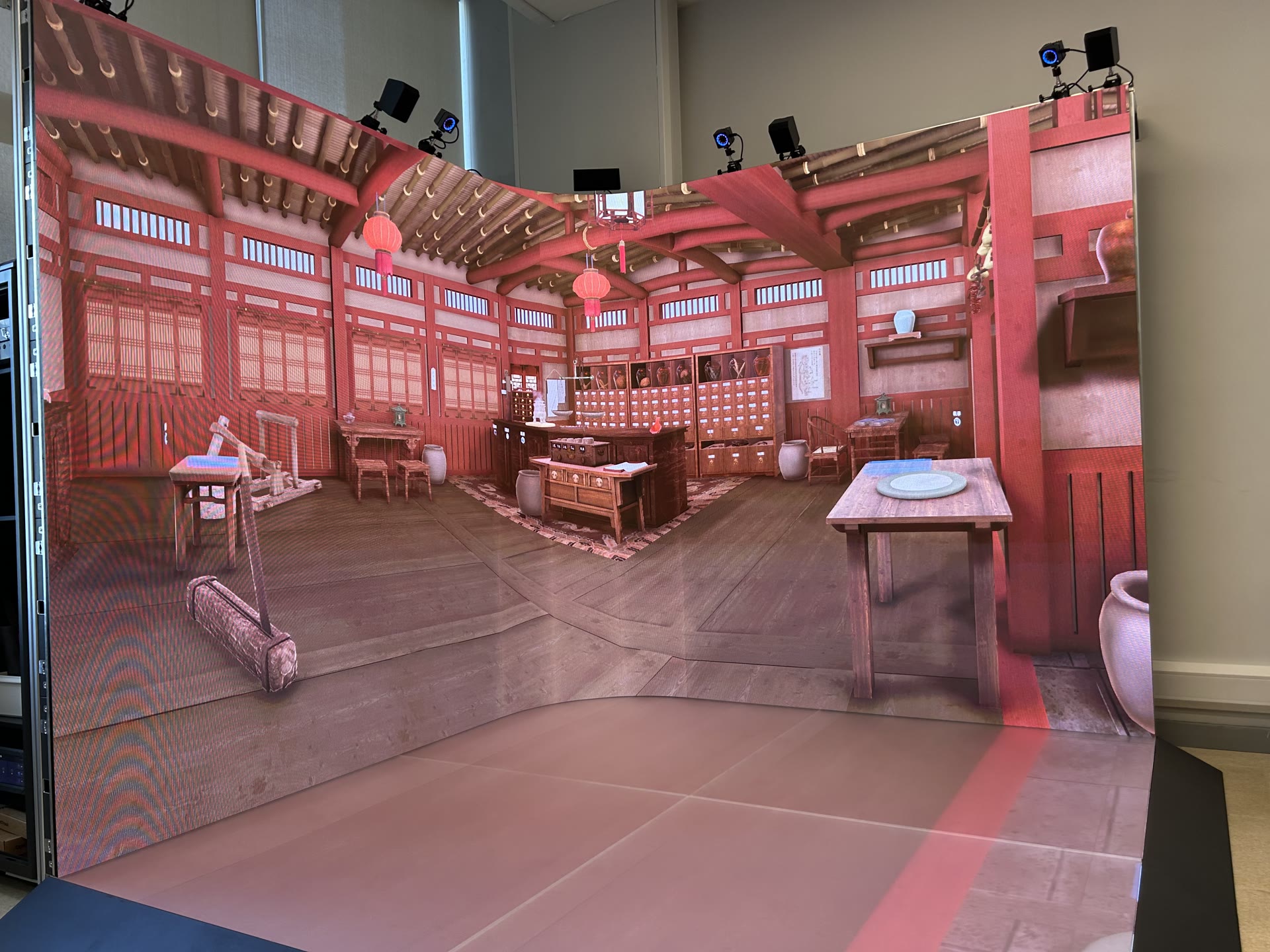
The event also showcased the Haw Par Mansion virtual heritage project, developed under the QESS-supported project ‘Development of Real-time Cooperative VR Multi-CAVE Systems for Collaborative and Team Learning’. The collaboration among HSUHK, HKU SPACE and Hong Kong Chu Hai College produced an interactive virtual reconstruction of Tiger Balm Garden and Haw Par Mansion for immersive teaching and learning in cultural heritage, architecture and logistics. The project also provided a foundation for the subsequent development of the Tiger Balm Garden Metaverse platform.
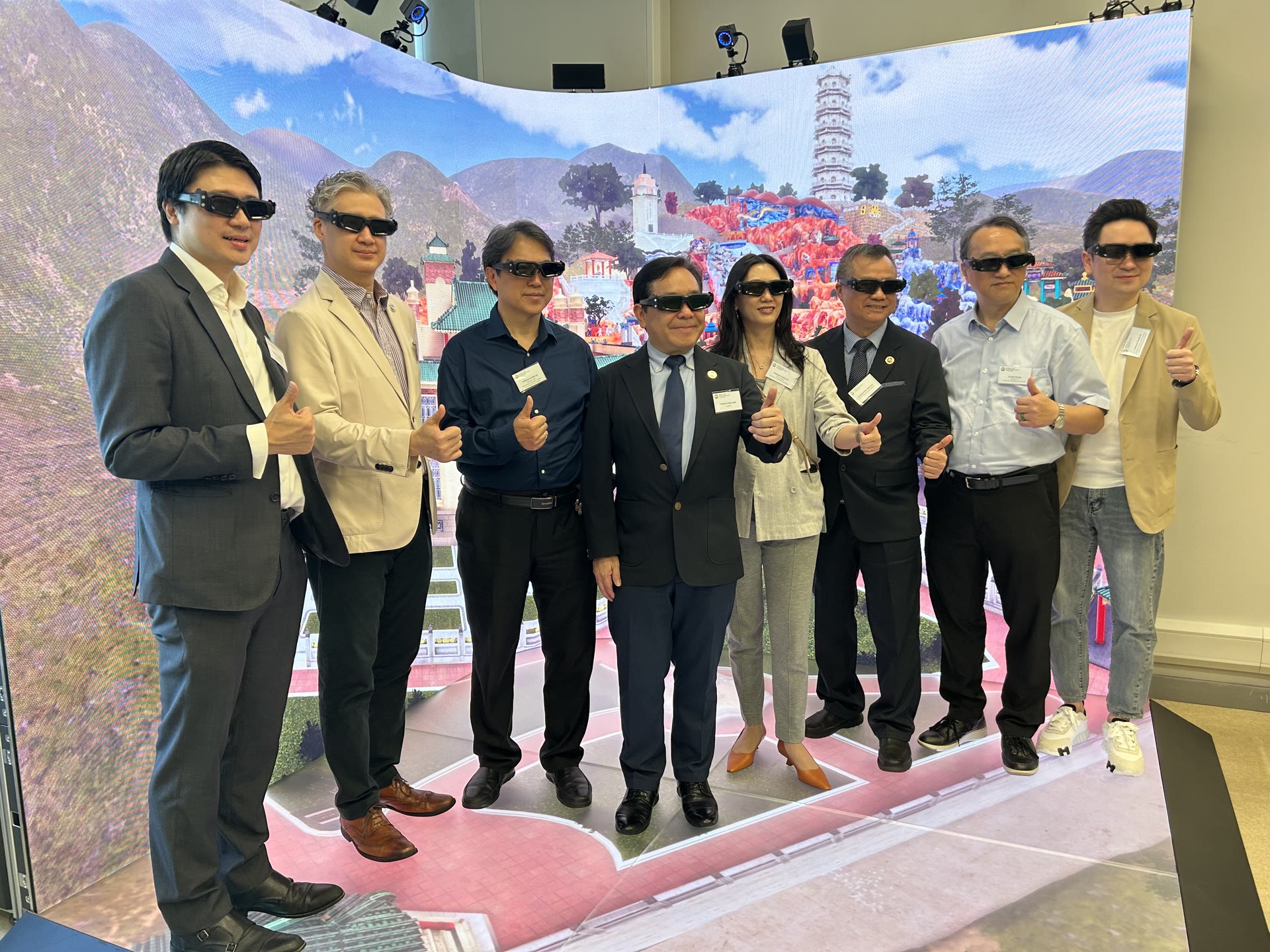
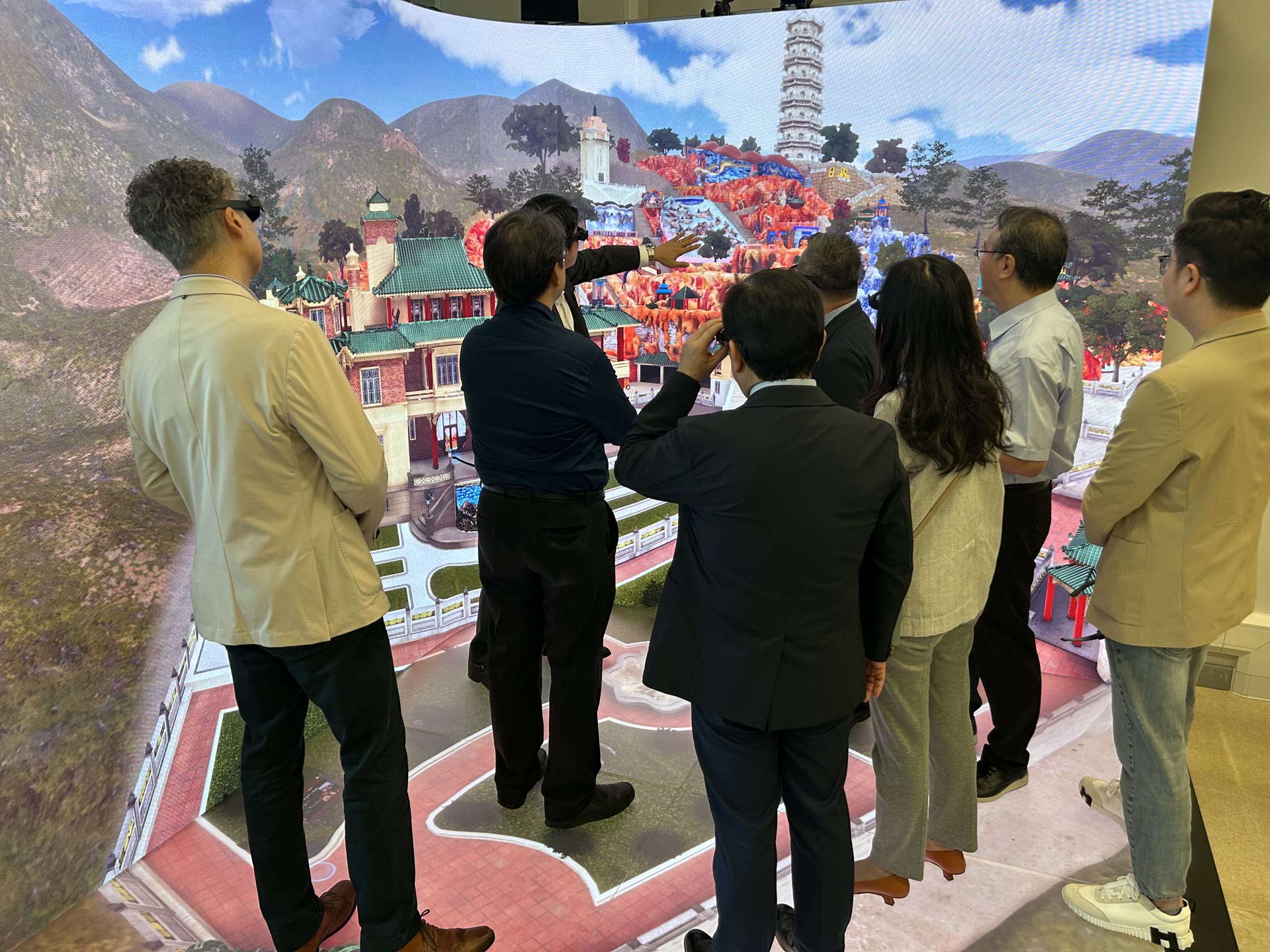
The demonstrations highlighted how immersive display systems can support teaching, interdisciplinary research and cultural heritage preservation.